Games, art, writing
Back in the 2010s after winning all those design awards, I started getting asked by London museum curators about the types of digital design work they should be collecting and exhibiting.
I had a few stock answers about areas of design that I considered interesting, culturally significant and largely ignored. I thought (and still do) the news ecosystem should be considered a designed artefact with an interesting tension between user-centeredness and cross-platform narrative storytelling… obviously no-one was touching that. I was also quite fired up about the way video games were being actively dismissed.
I’m not a huge gamer, but like everyone my age I’ve been playing a little throughout my entire life. I remember pointing out to curator after curator that GTAV, a franchise that originated in the UK and still partially created there, was a universally acclaimed digital experience leading a creative sector that makes more in the UK than film and music combined. An artefact like that is the definition of culturally relevant digital design. Who needs another exhibition about $2000 chairs, I want to see the San Andreas Deer Cam on an IMAX.
Their eyes would glaze over at that suggestion too. Video games were distasteful brain rot and in no way a legitimate cultural form. But several of them put on big video game exhibitions in the years after, so you’re welcome I guess.
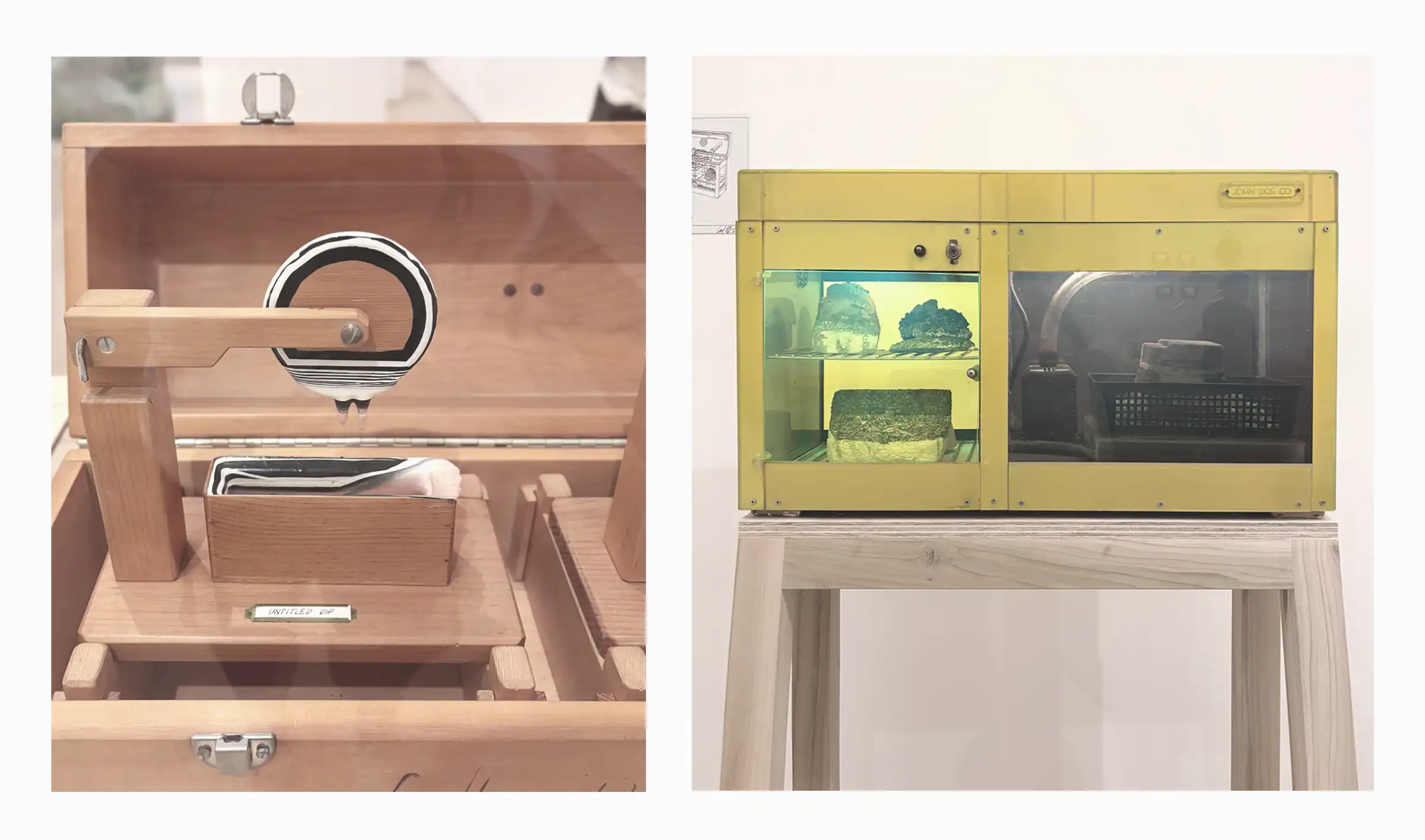
Since we moved out to LA last year I’ve fallen in love with the work of Carl Cheng. He’s been making art since the 60s, creating process-driven sculptures, information displays and site-specific experiments that do interesting things with the tension between technology and nature. I hadn’t heard of him before, but his work is inescapable in this town and usually the best thing in whatever exhibition you find it.
So I picked up the big new monograph on him, Nature Never Loses. It’s a huge archive project, seemingly endless collection of beautiful work, great design from Studio Lin. You’ll love it.
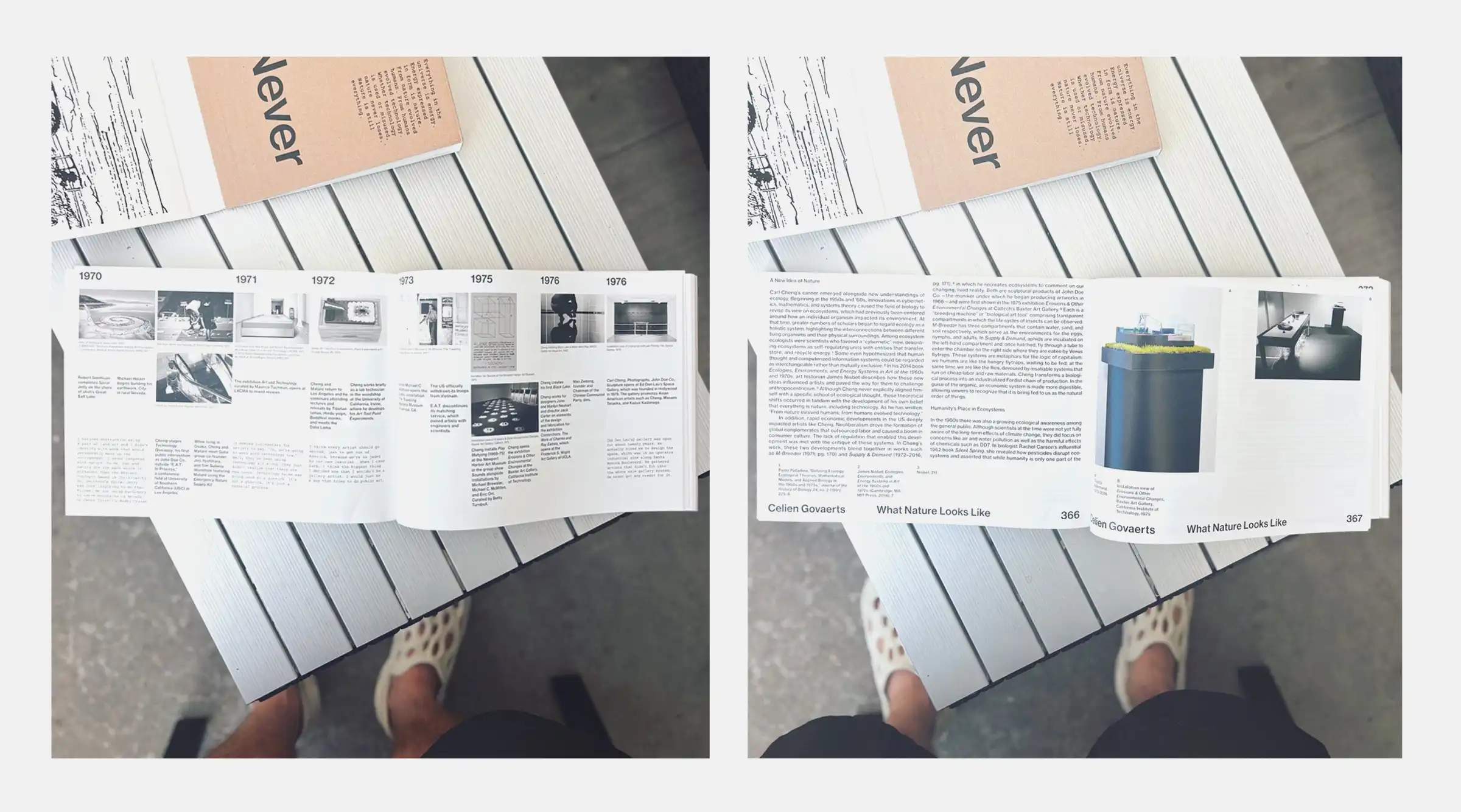
It turns out Cheng used to have a big studio/gallery right on Santa Monica pier?! How nuts is that. Like, for years you could just walk onto the pier (one of the big tourist destinations in the US) and watch him working? How is he not more widely known?
One of the other facts about him the book gets excited about is that one of his public artworks, the Santa Monica Art Tool (1988), is in GTAV. This makes him probably the only artist to have appeared in a GTA game, which the editors point out, is a Big Deal.
Times change, things can get better. Great stuff.
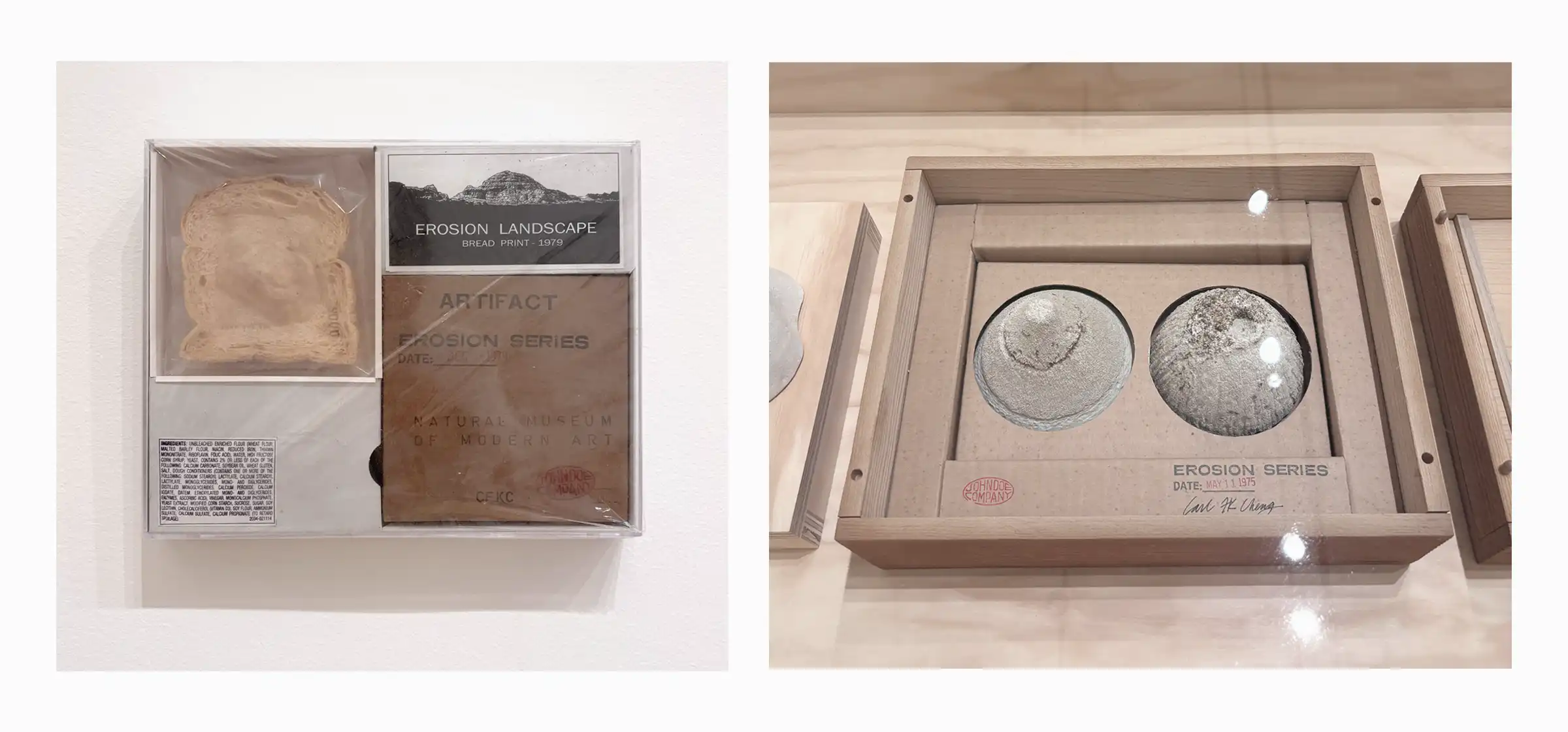
Jumps forward to the collected essays. All process art and conceptual art explores the limits of human intent. A body of work this deep, exploring human intent through technology and nature? There must be some interesting writing here.
Yeah no.
The authors have all decided to make convoluted arguments why Cheng’s (very good) work has no relevance to AI (which is apparently very bad). I’ve reread the essays a few times now, still can’t follow the logic in them. Not convinced his work resembles AI aesthetics. I’ve also read back through the rest of the book and can’t find any references in Cheng’s work or quotes referring to AI at all.
It’s a weird time we’re in hey, but it’ll change. Just need to keep playing.
If you want to chat more about stuff like this, send me an email or get in touch on Twitter.
You can pretend it's 2005 and subscribe to my RSS feed